🦝
Raccoon Removal
Raccoons can enter attics, chimneys and sheds, leaving disturbed insulation, damaged vents or waste. A proper plan considers safe removal, dependent young and securing the access point.
Wildlife removal and nuisance animal solutions for homes and businesses in Lowell, MA. Get help identifying animal activity, addressing entry points, and protecting your property.
Serving Lowell homeowners, landlords, property managers and local businesses.
When animals move into an attic, chimney, crawl space, shed or wall void, the noise and damage can quickly become stressful. Animal Exterminators Of Lowell helps property owners address nuisance wildlife concerns with a practical approach: identify the animal, assess how it is getting inside, plan an appropriate removal method, and discuss ways to reduce repeat activity.
Lowell's mix of historic homes, multifamily buildings, commercial properties, green spaces and waterways can create plenty of places for wildlife to find food and shelter. Raccoons may investigate rooflines and chimneys, squirrels can use small openings near eaves, and rodents may enter through gaps around foundations, utility lines or doors. Bats and birds may also use roof and building features as roosting or nesting sites.
Every property is different. The right response depends on the species, location, access point, season and applicable Massachusetts and local requirements. Ask about inspection, removal options, exclusion and cleanup needs when you call.
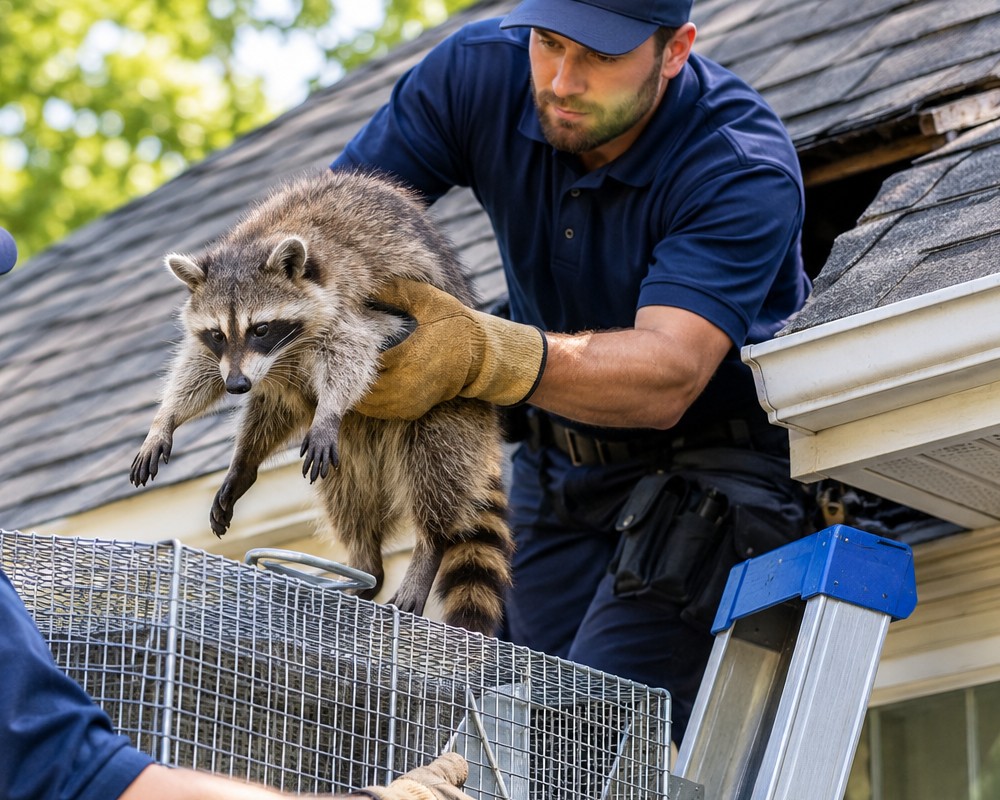
From attic noises to animals around a business, learn about common wildlife issues handled by animal-control professionals in Lowell. Service availability and permitted methods vary by species and situation.
Raccoons can enter attics, chimneys and sheds, leaving disturbed insulation, damaged vents or waste. A proper plan considers safe removal, dependent young and securing the access point.
Squirrels may chew or widen openings around roof edges, soffits and fascia. Inspection can help locate activity and identify repairs or exclusion work to prevent re-entry.
Bats sometimes roost in rooflines and attic spaces. Bat work is seasonal and regulated; ask about lawful exclusion timing and methods rather than attempting to seal an occupied roost.
Mice and rats can enter through surprisingly small gaps. Effective control commonly combines inspection, sanitation recommendations, exclusion and appropriate control measures.
Skunks and opossums may shelter beneath decks, porches and outbuildings. Keep a safe distance and ask about species-appropriate removal and ways to secure the space afterward.
Birds may nest around eaves, vents and signs. The correct response depends on the species and nesting status, so confirm legal options before disturbing nests or blocking openings.
Scratching, droppings, nesting material and odors can indicate animal activity. An inspection helps narrow down the source and the areas that need attention.
Removal alone may not solve a recurring problem. Exclusion focuses on identifying and closing suitable entry points with materials appropriate to the building and animal.
Animal waste, contaminated insulation and damaged materials may require careful assessment and specialized cleanup. Ask what work is recommended for your specific situation.
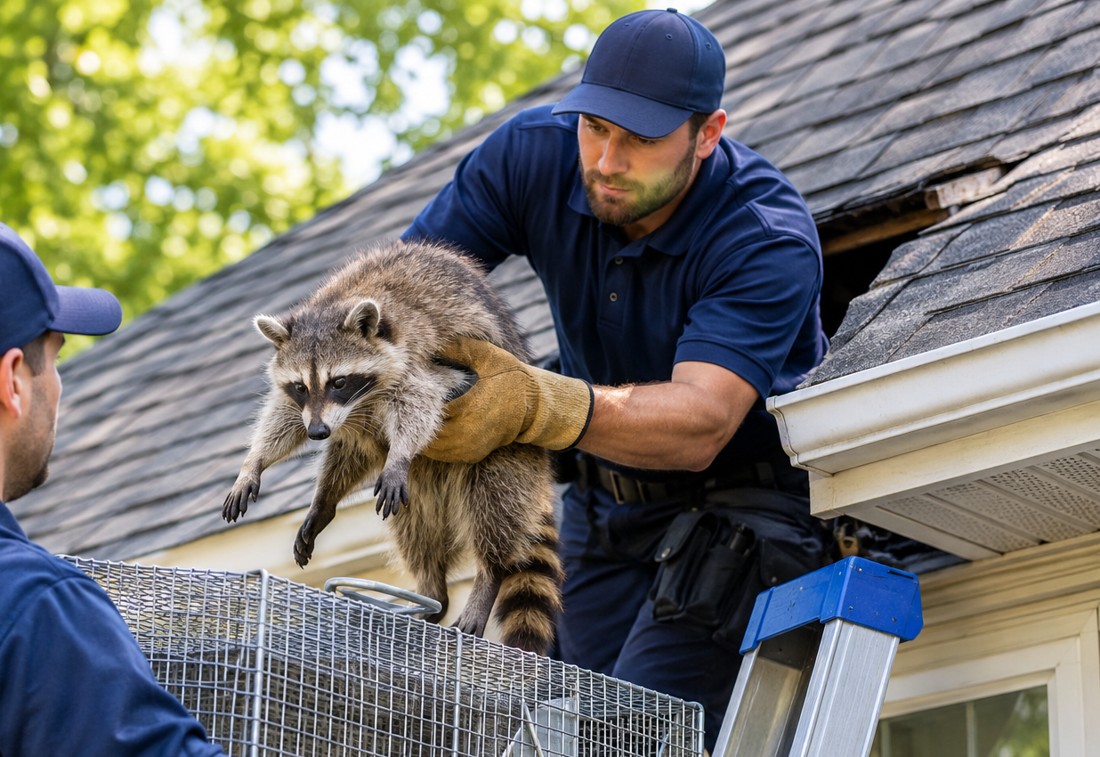
Animals often return when the conditions that attracted them remain unchanged. A complete wildlife-control plan should look beyond the room where you hear movement. Roof returns, loose soffits, uncapped chimneys, damaged vent covers, gaps around pipes and openings beneath porches can all deserve attention.
Property owners can help reduce wildlife conflicts by keeping garbage secured, removing accessible food sources, trimming branches that touch the building where appropriate, maintaining screens and vent covers, and arranging repairs to damaged exterior materials. Avoid sealing an opening until you are confident no animal or dependent young remain inside.
For an animal in a wall, ceiling, attic or crawl space in Lowell, describe what you hear or see, where it is happening, and when the activity occurs. That information can help determine the next step.
Discuss Your Wildlife ConcernA few details about the animal and its location can help make the first conversation more useful.
Tell us which animal you suspect, where you noticed it, what signs you have seen, and whether people or pets can access the area.
Ask about an assessment, species-specific removal considerations, scheduling, and any applicable wildlife rules or seasonal restrictions.
Discuss entry-point repairs, exclusion, sanitation or cleanup recommendations that may help reduce the chance of another wildlife issue.
Get the conversation started. Call to describe the animal activity and ask about service options for your home, rental property or business.
Animal Exterminators Of Lowell focuses on wildlife and nuisance animal concerns in Lowell, MA. We welcome calls from homeowners, tenants, landlords, condominium associations, facility teams and businesses looking for help understanding an animal issue.
Local property types vary from older multi-unit buildings and traditional New England homes to commercial spaces and newer residential developments. Whether the concern is scratching in an attic near the roofline, a burrow under a porch, birds around a vent, or rodents entering a storage area, share the location and details when you call.
Not sure whether your address is covered? Call (888) 652-4491 to confirm availability.
Keep people and pets away from the suspected area. Avoid entering a confined space or touching droppings, nests or animals. Note when the sounds occur and call to discuss an inspection and safe next steps.
Wild animals can bite, scratch or carry parasites and disease. Do not attempt to grab, corner or relocate an animal yourself. A qualified professional can help assess the situation and discuss species-appropriate options.
Common access points include damaged roof vents, gaps at soffits and fascia, chimney openings, loose siding, roof intersections and branches that provide access to the roof. The entry point should be identified before repairs are made.
Bat species and roosting situations can be subject to state and federal protections. Exclusion may be restricted during certain periods, especially when flightless young may be present. Confirm current rules and appropriate timing before any work is done.
Not necessarily. If an access point remains open or food and shelter conditions persist, another animal may enter. Ask about inspection, exclusion and practical prevention measures as part of the overall plan.
This page is intended for both residential and commercial wildlife concerns in Lowell, MA. Call (888) 652-4491 to confirm the type of property, service availability and scheduling.
Pricing depends on the animal, access, location, urgency, inspection needs and any exclusion or cleanup work. Contact the team with details about the issue and ask for a quote before authorizing work.
Call to discuss animal activity at your Lowell, MA home or business and confirm current service availability.